The hard loft: a real factory, converted
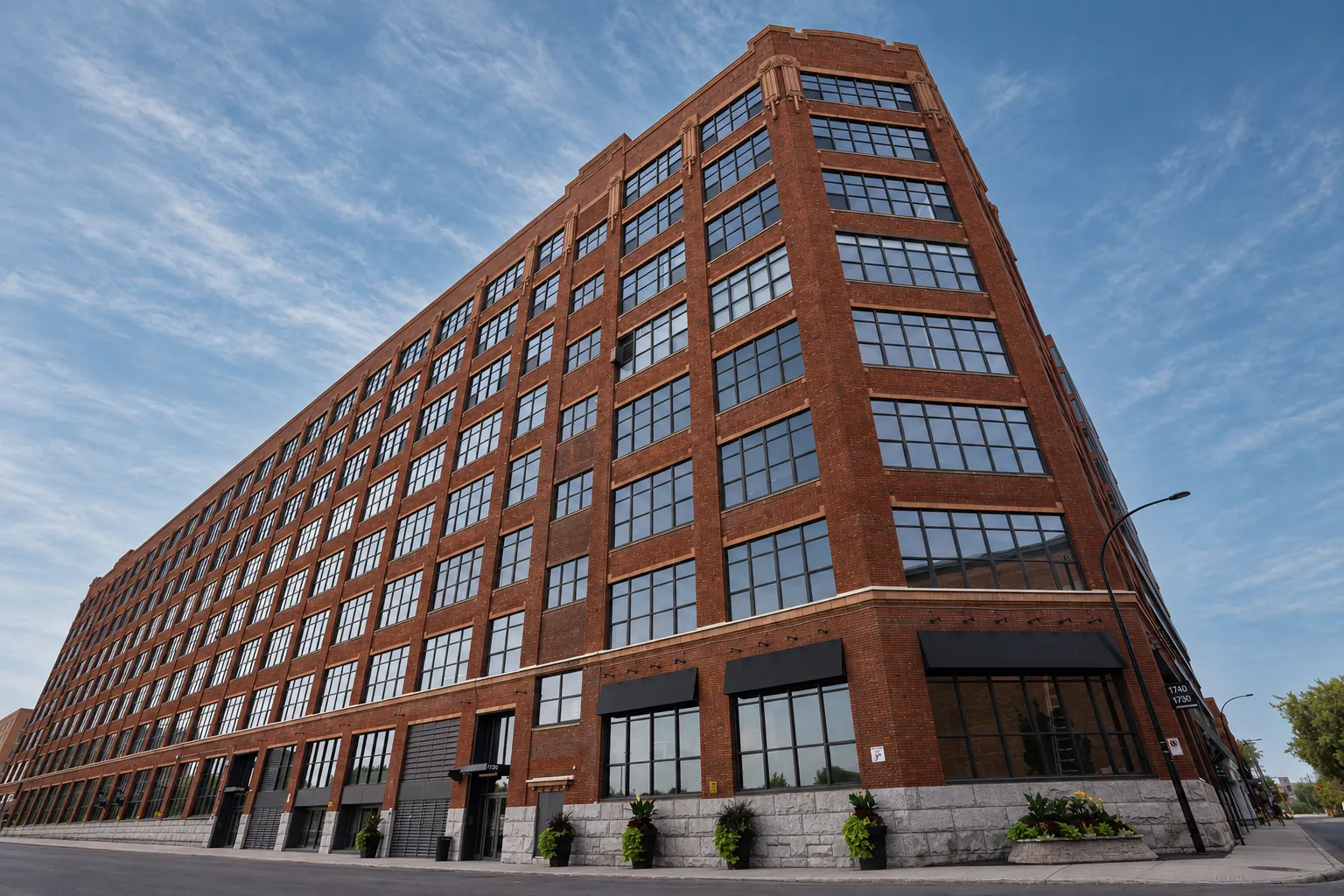
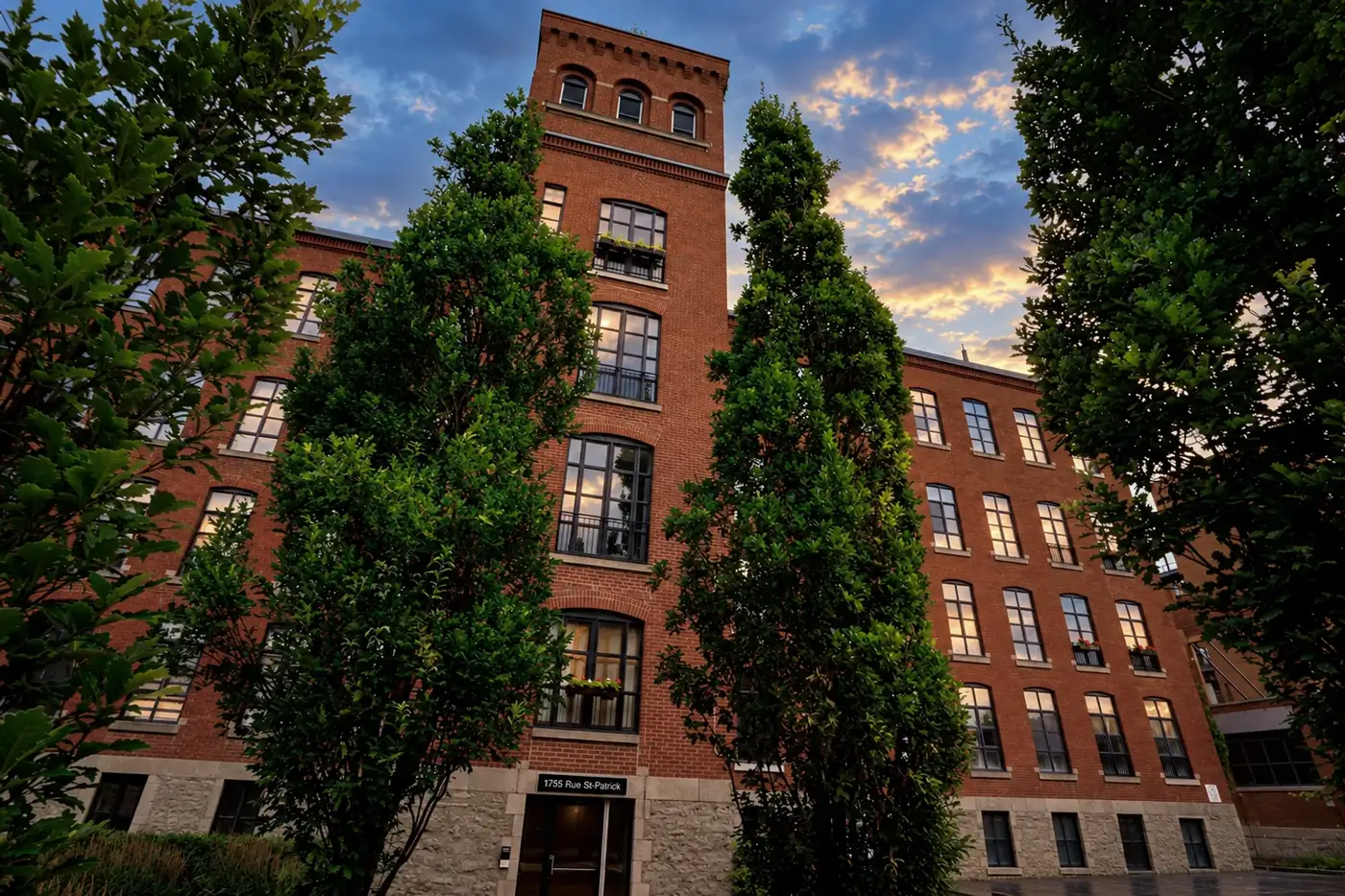
A hard loft sits in an original industrial building turned into homes: a factory, warehouse, printing plant or refinery. The structure is original: load-bearing brick, wood or concrete beams and columns, thick floors and large factory windows. Ceilings often exceed 11 feet.
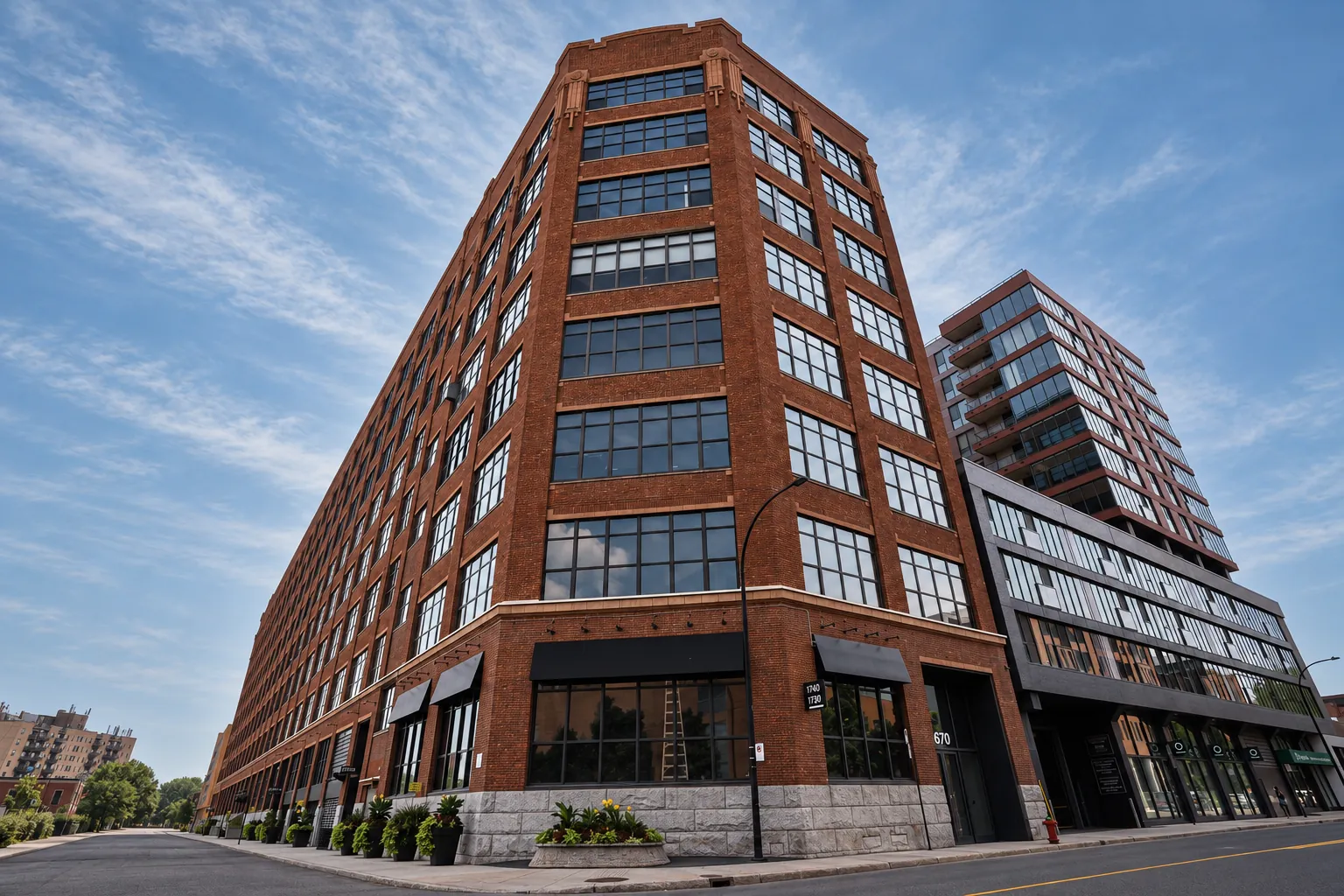
Montreal's Sud-Ouest has a rare concentration of them along the Lachine Canal. Le Nordelec phase 1 occupies three floors of the former Northern Electric plant, built from 1913 and converted into lofts in 2014. The Corticelli, on the same rue Saint-Patrick, dates from 1904.
The soft loft: the industrial look, newly built
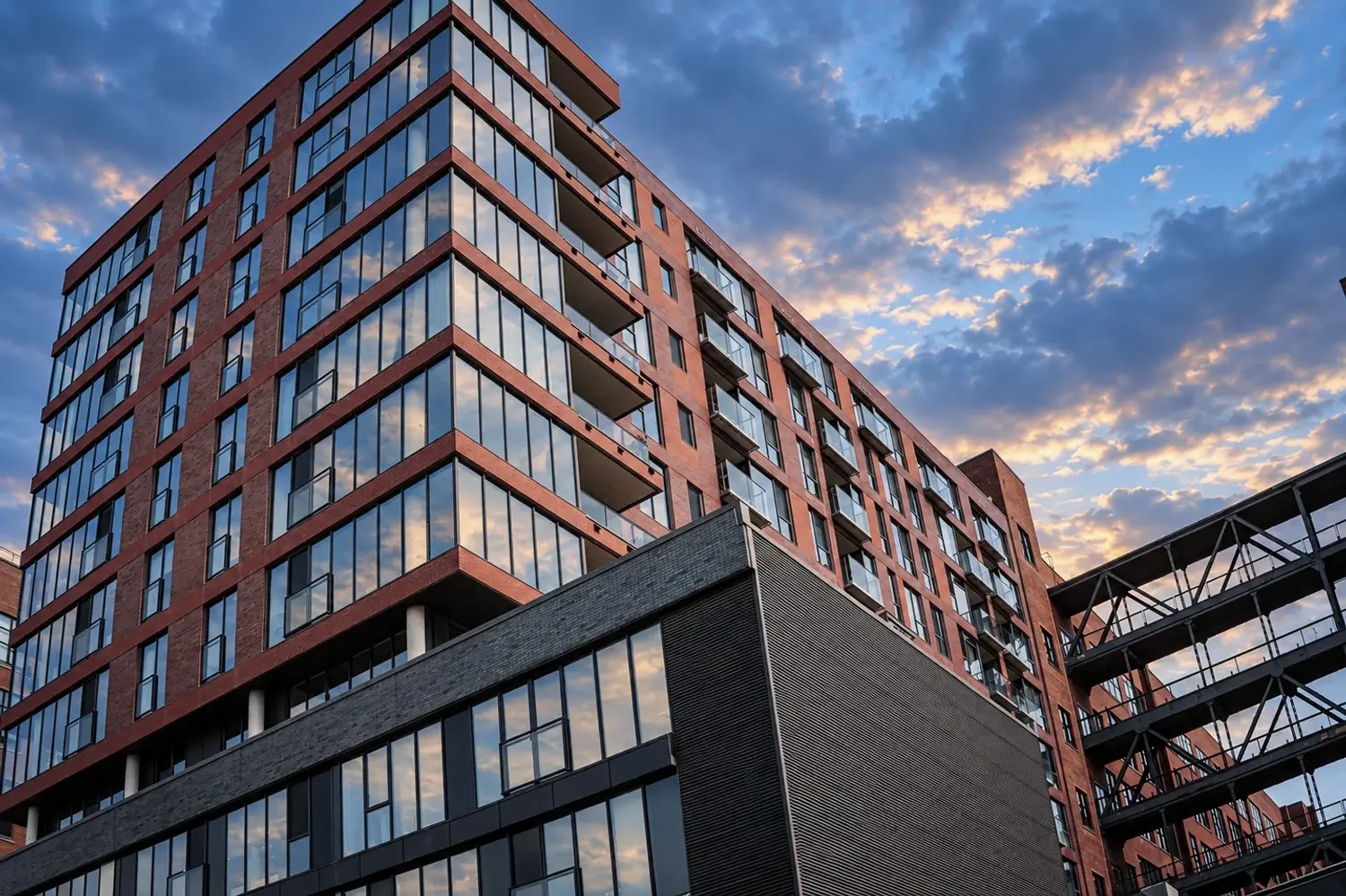
A soft loft is a new building that borrows the loft vocabulary: high ceilings, exposed concrete, visible ductwork, open plan, large windows. The structure, insulation, plumbing and wiring follow current building codes, and amenities like a pool, a gym or a rooftop terrace are common.
The best example is right next door: Le Nordelec phase 2, built in 2015 in the same complex as phase 1. Same address, two different experiences.
How they differ day to day
| Hard loft | Soft loft | |
|---|---|---|
| Structure | Original, often a century old | New |
| Character | One of a kind: every unit is different | More uniform |
| Soundproofing | Depends on the conversion | Usually better |
| Energy efficiency | Worth checking: windows, heating | Current standards |
| Condo association | Older building: look closely at the contingency fund and planned work | More predictable upkeep in the early years |
What we check before buying a hard loft
- The contingency fund study and the maintenance log, required since Quebec's Bill 16.
- Planned major work: masonry, roof, windows.
- Soundproofing between units, especially under original wood floors.
- Heating, and the electricity bill that comes with very high ceilings.
Which one should you choose?
A hard loft, for history and character that can't be reproduced. A soft loft, for modern comfort and more predictable upkeep. Either way, the building matters as much as the unit.
Frequently asked questions
- Is a loft in a new building a real loft?
- Yes: it's a soft loft. The word "loft" describes the open space and the height, not the age of the building.
- Is a hard loft worth more?
- It depends on the building, the floor and the quality of the conversion. We always compare with recent sales in the same building.
- Where can I find hard lofts in Montreal?
- Mostly in the Sud-Ouest, the Plateau, Hochelaga and Old Montreal. Our building directory sorts them by neighbourhood.